
Effective Digital Marketing Strategies for Retail Small Businesses
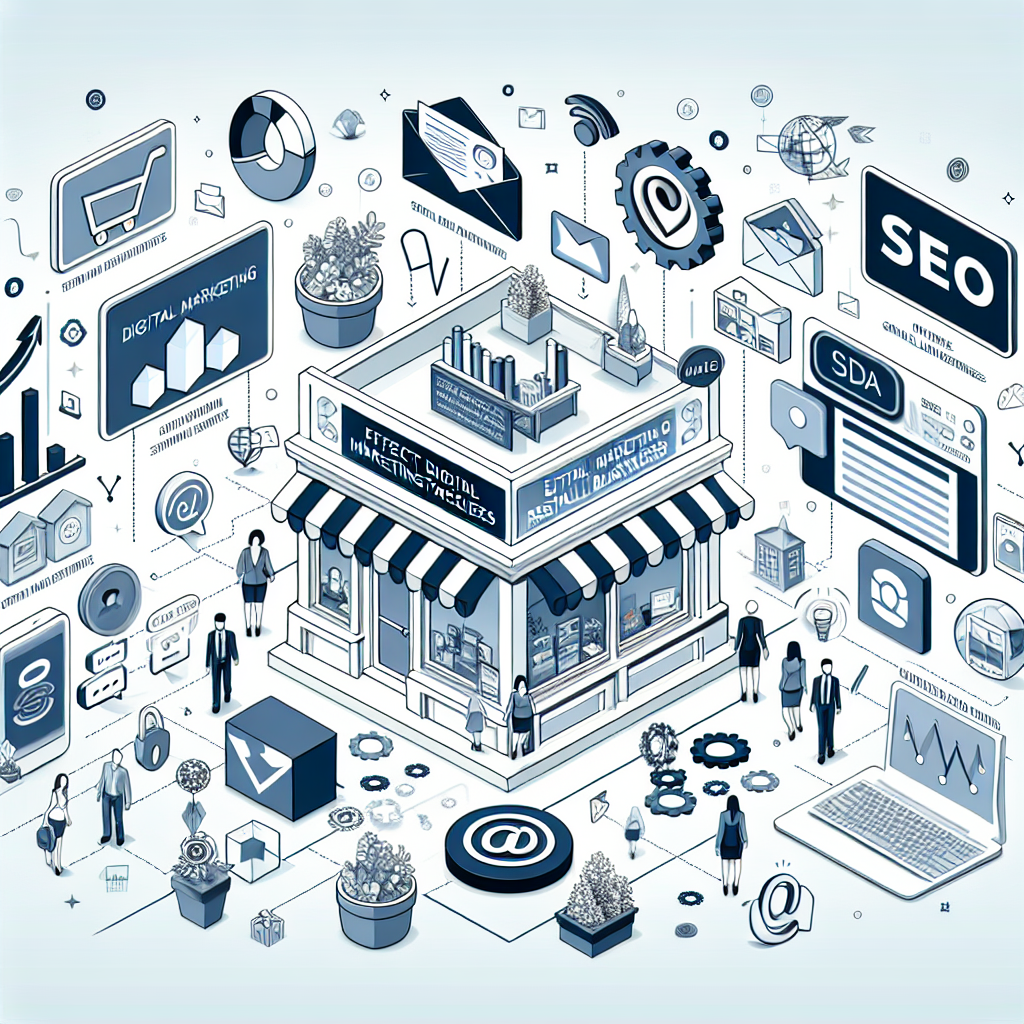
Effective Digital Marketing Strategies for Retail Small Businesses
In the ever-evolving landscape of digital marketing, small businesses in the retail sector must adopt robust strategies to stand out and succeed. This guide delves into key areas such as social media marketing, email campaigns, SEO best practices, content marketing, and paid advertising. Each strategy is outlined with actionable tips to help small businesses enhance their online presence and drive targeted traffic.
Social Media Marketing
Social media platforms offer powerful tools for engaging with customers and building brand awareness. Small businesses can leverage these platforms to reach a broader audience without significant expenditure.
Choosing the Right Platforms
Identify where your target audience spends most of their time. Platforms such as Facebook, Instagram, and Pinterest are highly effective for retail businesses. Use analytics tools to understand audience demographics and preferences.
Setting Measurable Goals
Create specific, measurable, achievable, relevant, and time-bound (SMART) goals. Examples include increasing follower count by 20% over six months or boosting engagement rates by 15% in three months.
Engaging Content Creation
Produce high-quality, engaging content that resonates with your audience. Utilize visual storytelling with images and videos to capture attention. Consistently post valuable content to maintain audience interest.
Email Campaigns
Email marketing remains a vital part of digital marketing strategies, offering a direct line to communicate with customers.
Building a Subscriber List
Encourage website visitors to subscribe to your newsletter by offering incentives such as discounts or exclusive content. Use opt-in forms strategically placed on your website to capture emails.
Crafting Compelling Emails
Personalize emails to improve open and click-through rates. Include strong calls to action (CTAs) and ensure your emails are mobile-friendly. Segment your audience to tailor content and offers to different customer groups.
SEO Best Practices
Search Engine Optimization (SEO) is crucial for improving your website's visibility on search engines, driving organic traffic.
Keyword Research
Conduct thorough keyword research to find terms your potential customers are searching for. Use tools like Google Keyword Planner to identify high-volume, low-competition keywords related to 'small business marketing' and 'SEO for retailers'.
On-Page Optimization
Optimize page titles, meta descriptions, and headers with relevant keywords. Ensure your site is user-friendly and mobile-responsive, as search engines prioritize mobile-friendly sites.
Content Optimization
Create content that provides value to your audience, integrating keywords naturally. Use internal linking to guide users through your site and improve SEO.
Content Marketing
Content marketing helps establish your brand as an authority in the retail sector, attracting and retaining customers through valuable information.
Developing a Content Strategy
Plan content around your audience's interests and pain points. Use a content calendar to organize and schedule posts, ensuring consistency and relevance.
Utilizing Different Content Formats
Diversify content types, including blog posts, videos, infographics, and podcasts, to appeal to different audience preferences. Each format should aim to educate, entertain, or inspire your audience.
Paid Advertising
Paid advertising, including PPC and social media ads, can effectively boost visibility and attract new customers.
Setting a Budget
Determine how much you can afford to spend on advertising. Start small and gradually increase your budget as you see returns. Use analytics to track ROI and adjust your strategy accordingly.
Selecting the Right Platforms
Choose advertising platforms that align with your business goals and target audience. Google Ads and Facebook Ads are popular choices for retail businesses due to their extensive reach and targeting options.
Creating Effective Ads
Design visually appealing ads with clear, compelling messages. A/B test different ad variations to see what resonates best with your audience and optimize for better performance.
Conclusion
Implementing these digital marketing strategies can significantly enhance the online presence of small retail businesses. By leveraging social media, email campaigns, SEO, content marketing, and paid advertising, small business owners can reach new customers and grow their businesses effectively. Remember, the key to successful digital marketing is consistency, analysis, and adaptation to the ever-changing digital landscape.
Lucille Conde
🖤 Tattooed mom | Music lover | Fashion & coffee addict ☕ | Alternative soul | Autism awareness advocate | Creating, exploring & embracing life ✨